Blog

Dr Muhammad Saghir Khan

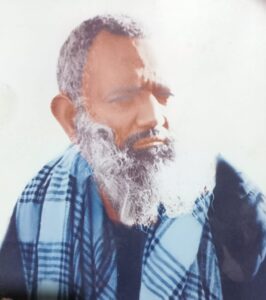
Professor Dr Muhammad Saghir Khan is an author and poet from Rawalakot, Azad Jammu & Kashmir. In his own words, “writing in Pahari is uncommon due to the dominance of other languages, which has impacted our identity. Now, we find ourselves in a position where we want to revive it, but many people perceive it as difficult. However, for those who can read Urdu, Pahari should not be too challenging. When I write in Pahari, many Punjabi or Saraiki people can read it with ease because they are genuinely interested. If someone has the passion and desire to read, they will. Writing in Pahari is not overly difficult either. While not everyone is a writer, most can speak and read. With a bit of effort, writing in Pahari is certainly possible — it’s not impossible.” Works in Pahari: Works in Urdu:

Dr Muhammad Saghir Khan Read More »

Rachyal

رچیال Rachial, Richyal, Harchial, Harchahal The Rachyal or Harchahal are a Jat clan found primarily across Mirpur Division and adjacent Gujrat. Origins The Rachyal are generally believed to originate from the Chamba region of Himachal Pradesh. From Chamba, they moved gradually through Jammu and Gujrat before entering and spreading across Bhimber and Mirpur. According to the Hindu Jat Rachyal of Nowshera, the Rachyal belong to the Chandan gotra and are connected to Raja Mandlik, a mythical folk deity associated with the Naga cult and revered in the foothills of the Western Himalayas, from Jammu to Sirmaur in Himachal. Raja Mandlik, also known as Gugga Ji among many other epithets, was a Chohan and a legendary prince of Dadrewa, Rajasthan.[1] They also revere Mangla Devi. An alternative tradition from the Mirasis points to a certain Rachan Dev as the eponymous ancestor of the Rachyal. Rachan Dev was perhaps a Katoch or Dogar from Chamba. His descendants left Chamba, migrating to Jammu, then to Gujrat, before eventually settling in southern Mirpur. One family tree suggests the first to convert to Islam was Behram or Bikram Chand and he adopted the name Allah Bakhsh. His lineage is as follows: Bikram Chand, son of Baad Chand, son of Ram Chand, son of Rachan Dev. Distribution The Rachyal are found in several villages of District Gujrat such as Sardhoke, Harchahal, Chak Mehmand, Larr, Sheikhpur, and Hazara near Gulbahara. The Rachyal are one of the largest Jat clans across Bhimber and they are believed to originate from Hazara. Their villages in Bhimber include Kas Khadora, Maira Ghazi, Mokeriala, Cha Mochian, Islamnagar, Jhillah, Gora Nakka, Kas Gopal, Kund near Panjeri, Jabbi, Fakhroat, Daura, as well as Samahni. The Rachyal are also present across District Mirpur. It is said that there were once over six hundred ‘chulley’ (hearths) belonging to Rachyal, referring to six hundred households, in the Laddar-Panyam region. Their villages include Rachyal in Chakswari, Rachyal near Phurnal, Shamdian-na-Mohra, Hatti-na-Mohra, Loharan-na-Mohra, Baavayan-ni-Moohri, Gorsian, Laddar, and Chhappran. In Tehsil Mirpur, they are also found in Balah (upper and lower Balah), Mohra Dolu, Sangot, Pothi, Bhalyala, Chamba, Mohri, Chhappran (Gurra Domal), Mawa Kaneli, Pind Khurd (Gurra) and Harchial (near Pulmanda). In Tehsil Kotli, the Rachyal are predominantly in the Rajdhani area, in Mohra Peeran, Mochha, Ditwal, Karmal, Bindi, Lamman, Nakka, Mohalla Kanjal, Mohra Moqadam, rarla and parla Andraal, Thangri. They are also in Talaara, Naar, and areas of Khuiratta (Seri Chattar). In Tehsil Dadyal, the Rachyal reside in Kandore (Dhok Rachyal and Khadda), Samlotha, Sandal, Bloh, and Bihari. Some from Kandore settled in Moohri Palahan near Jabbar (Islampura), in Tehsil Gujarkhan. There are Hindu Jat Rachyal across Tehsil Nowshera, in Bhowani, Chowki, Kalsian, Kalal, Manpur, Dhanaka, Ser Makri. There are also Rachyal in Jammu City and R.S. Pura. [1] Reference: Naga Cults and Traditions in the Western Himalaya, Omacanda Hāṇḍā Indus Publishing, 2004.

Rachyal Read More »

Panyal

Punyal, Panyaal The Panyal are primarily reside in the northern area of Mirpur Division, in northern Tehsil Dadyal, at the foothills of the Pir Panjal range. Origin Little is known about the origin of the Panyal; some say they originate from Mendhar, Poonch, while others connect them to Punya of Jangladesh. Distribution In Tehsil Dadyal, the Panyal are in Surakhi, Ghanair, Bhalot (Zaman Chowk), Mohar, Thara, Pachwana, Kathaar, Panor, and Baratti.In Tehsil Mirpur, there are Panyal in Palaak (Mohra Moqadam and Pajwal) while in District Kotli, they are in Baratla.

Panyal Read More »

Kalyal

کلیال Kalyal, Kalial, Kulyal, Kaliaal, Kalyaal The Kalyal clan is among the largest in the Mirpur division, where they are considered Jatts, and in the Pothohar region, where they hold variable status as Jatts and Rajputs. Origin The origins of the Kalyal clan are varied, with several stories suggesting different lineages. Most accounts trace their roots back to Sialkot in the 16th century, from where they spread to Pothohar and Mirpur. Due to their large numbers, it appears there were multiple waves of migration. One early settlement is Kalyal near Tope Mankiala. In his Glossary of Tribes, Rose notes: ‘Sombanai descent and Rajput ancestry i.e., a last status as Rajput— are claimed by the Kalial’ The name Kalyal is derived from the suffix -aal, meaning “children of,” and the clan’s ancestor, who is variously named Quli Khan, Kala Khan, Kalu Khan, or Kaley Khan. There is a common belief that the Kalyal are a sept of the Bhattis, with many in Gujarkhan identifying as Bhatti Rajputs. One genealogical record from the Mirasis suggests that Rai Kaley Khan had brothers who founded other clans: Neeli Khan (Doyal or Nagrial), Sohal Khan (Sohlan), Maghar Khan (Magral), and Jet Har (Jet Hal). The Kalyal reportedly descend from Rai Kaley’s sons, Kalach and Manik, who converted to Islam. Another version preserved by the Mirasis claims that the Kalyal are Suryavanshi Rajputs descending from ninety-five rulers in Delhi, India. The last ruler, Sri Karpal, converted to Islam, gave the call to prayer on the throne, abdicated, and migrated to Bihar, then to Sialkot, where he established Dhok Kalyal and Dhok Jaal. He was known for his charitable deeds. Over time, some descendants moved to Gujarkhan and Rawat, and later to Mirpur. Another lineage suggests that before arriving in Sialkot, they were Arabs, descended from Abu Jahl (Amr ibn Hishām al-Makhzumi), a notable opponent of the early Muslims in Mecca. This latter account bears resemblance to the origin stories of the Ranjah Jats but is likely a later fabrication. Distribution In Tehsil Gujarkhan, the Kalyal are located in Alamabad, Bewal, Bher Kalyal, Chak Bagwal, Tangdew Syedan, Daryala Kalyal, Dhok Dheri near Paleena, Dhok Kalyal, Gura Kalyal, Kolian Hameed, Harchiari Kalyal, Manjotha, Mankiala Muslim, Teriala Kalyal, Sohawa, and Nothia Kalyal. In Tehsil Rawalpindi, they are found in Kalyal, Mohra Kalyal and Top Kalyal. In Tehsil Kallar Syedan, they are in Balimah, Choha Khalsa, Dhok Lass, Dhok Mera near Paleena, Khandot, Mohra Bakhtan, Arazi Khas, Chhappar, Gurmali, and Mohra Khoo. In Tehsil Kahuta, there is also a village Kalyal. In District Jhelum, Kalyal villages include Boharian, Boura Pindi, Dalyal, Dandi, Dhok Rajju, Dhok Kalyal, Domeli, Hon Kalyal, Janjeel, Johda, Kikri, Kalyal, Mahl, Mohra Kalyal (near Sohawa), Sidh Tajpur Alia, and Padhri. In neighbouring Tehsil Pind Dadan Khan, their main village is Kahana, while in District Chakwal, they are found in Chak Kharak, Dhok Qutub Deen, Dhoke Wadhan, Kalyal, and Kotla Kalyal. The village of Katha Saghral in District Khushab is also home to several Kalyal families. In Tehsil Mirpur, Kalyal settlements include Palaak, Tarnot, Arnoh, Kotli Sarsawa, Mohra Gindian (in Kot Qandu Khan), Dheri Phalli or Pind Kalan (in Murian-na-Mohra, Mohra Moqadam, Mera, Banni-aly near Mohra Tiyal, Mera, Thothalan, Hilla, and Theekrian), Bughoar (Moqadam, Jataal, and Maandri), Kalyal in Chakswari, Add-ni-Plai, Laddar, Domal, Pura Domal, Tangdew, Panyam (Sarr-ala-Mohra and Moohri), Mawa Kaneli, Mera Kandi, Gaderi, Balwara, Sukian Ban, Nakka, Dheri Nasarullah, Dheri Bhaanan, Dheri Ramu, Kalyal Sheru, and Kas Kalyal near Khari Sharif. In Tehsil Dadyal, they are found in Bihari, Badaar, Arra-Jattan, Potha Sher, Potha Bangash, Mohra Agru, Siakh, and Chhatroh. In District Kotli, Kalyal settlements include Bharand, Chak Nasru, Aghar Jamalpur (Gulhar Sharif), Treeyan, Kotla, Sehnsa, Sagri, Rajdhani (Mohalla Kassi), Danna, Samror, Batal, Baratla, Gowand, Prahi (Hilla), Dullyah-Jattan, Baleri, and Gahi. In Poonch, the main Kalyal settlement is Sehra in Tehsil Hajira. In Tehsil Barnala, Bhimber, they are found in the village of Khairowal in the Chhamb region. There is a single village in Kharian Tehsil of Gujrat District: Dak Kalyal.

Kalyal Read More »

Example List of Villages

Villages in Tehsil X, District Y Gujar Khan MunicipalityHachiari BangialBochialMahmud BadwalHachiari DolalDhoriDungiDuhmanNaghail Umar KhanMuttua BangayarahHabib KanialChohan NajarJhandaBurki BadhalBurki BeldarPharwal Saro KhanPharwal DolalPharwal BangialSandal KhingarChhihalKatroliDolmi TamaaDolmi DhamialBavialDolmi KhatreelSupiyali KhingarMankiala BrahminanSupiyali FaramsialBarki BrahminanSipiyali BigialGuliana BhagralGuliana LohdraGuliana HayalGuliana MaliarMuradialJairo RatyalDokuhliSihal KhingarMohra BersialMohri KhatreelKhalabatKayal DaraJarmat KhurdGharibaDolial MianaParhalChanga BangialHarnohMalikpurBaner KaswalMamdotGoleenDhamyalHafialBewalKanialKanialSui HafizSangniChhapparSui CheemianManakraiChakrali BudhalChakrali ChulloArazi Chuhar MalTal KhalsaKambli MirzianKor NaseebBhag SahanaDaryala SagnaMaira ShamsNarali JabairNarali KaswalMajothaBhadanaBahganaBhattianTholaHararMal MalyarPakka KhanpurBhagpurArif Kanyal Mutua GujarGujraSohawa MirzaQazi ChhotaQazi JhikChak LandBagaamHardo SorakhiMiana PothaRampurJorakiSehrNala JangRahonKhanpurMalot Pir MuhammadMalot KaswalMalot KalalGasroorThathiPaleenaBaliam PandoriKotiamPalthiamRataalaMiani BorgiJhiak Qadar BuxBorgi Karam ChandHaji BorgiPanjgaranGopalpurDhok Sultan AlamDangdeo GujarmalDangdeo IsranMiani DheriJaga PaikaRokiahArazi BohraArazi DhudhiMalalaKuri JajwalKuri SarfrazKuri Karim BakhshKuri HajamKuri HaidarJand NajjarJand GujarJamathaJand MehluJabo KasiRongtaiJattal DarabJattal SurkhruAhirMatyalMissa KaswalBhai KhanPindoraMohra HailiNagyal PehlwanKamalpurKontrilaLogahoriKaronb JagialLalhalPurtaliDehra BakhshianKahali KhingerBains DamwalGuiana BainsDharyala KhakiJarmot alanMamdal KhingarDora BadhalDhik BadhalKotli HamidMohra SheikhanSusralGarmalaChhinaChakri WakeelanKant KhalilKant Ladhu Chichi BahadurBokraChak BagwalKharaliKabeelKersalJhatial MianaSaba Sher KhanMohra NoorBardianaMohra KanyalHosangQutbalKant MalokKant MaliarKant Pir BakhshAdra UsmanzadaLodheChak NabanJatliNaraliMiana MohraBejeranahDaultalaDungi KalanDher RatyalBainsDarkali KhurdDarkali KalanBher KalyalBher HathialBher AhirHasalMadariNatha ChhaterNata Gujar MalMastalaTaratiDhaungAhdiPind TheekrianChak BahadurPhimbal MianaKakNotheh Alam SherJhangi PhairoJawalDeviPunjgran KalanBandotChak SabzRatriData BhutGahia ChhaperRayyanChechi NoorKhisaDahuNikoKasranKalisThatha KhurdKauntSayyedThatha KalanBhalesarBokenMalialRamanSood PodanaDhok KakuDhok PanahGohra GujranDhok GhaziDhok KalyalMari BherMughalBajarChachi ZulfuChohanTheekrianMihadwalPhamra Phakhial SarjaPhamra GujranGoursiMohra KhairuTanwinPunjgran KhurdBahwaley KhurdBahwaley KalanKelriaaMachhiaChakkiEaserKala GujranNautheh GulbazTarkwalSukhoBuchaArazi MohriJorianKakri MuridBajnialDera PothiPind PaianMohra SheraHaryalHarnalKrunb IlyasKrunb UsmanKrunb KaswalKrunb BalochBagwal Mehr KhanDudwalChak BrahminanJoleSanpalChak DaulatSakrutaSakrilaBora TutaJajaJamalJattalMangotGouraJungraDerkalaBhangali KhingerBhangali GujarMuradi JanjeelSaradirheKhambAqubMongarPaswalKurnaliMumnihalBhatChungalRanjaliRajoaFarashHujoMandraDarialOmanakaMalikwalMahnderKamandrialBhikoKalyalArazi HasnalWasla BangyalKujoKaryaliKuri DolalNoor DolalKurzada SawanBhata MaliarKurzada MaliarMohra Roshan AliMothu KhingerSanghoriPhida Kala

Example List of Villages Read More »

The First Asian Grocery Store in Bradford

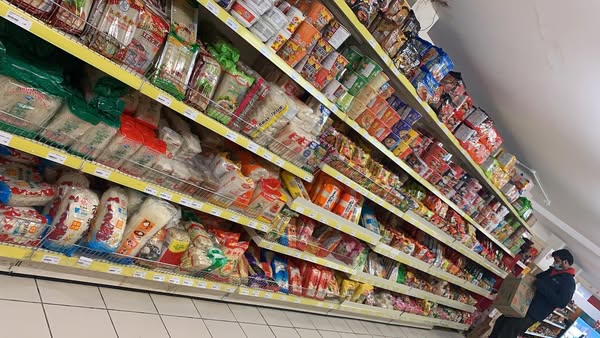
The first South Asian grocery store in Bradford was established by Syed Ghulam Hussain Shah, locally known as ‘Glassy Shah sahib’, during World War II. Ghulam Hussain Shah was from the village of Kot Qandu Khan near Chakswari, Mirpur. Operating from his home and offices, Shah Sahib provided essential Asian groceries and halal chicken to the growing South Asian community in the city. At the time, there were limited options for South Asian foods in Bradford, leading Shah Sahib to source goods from Abdullah Saith, a fellow entrepreneur with a grocery business in London. Shah Sahib would order items from Saith and sell them from his home, meeting the community’s demand for familiar ingredients. In June 1950, Shah Sahib was issued a halal meat license, the first in Bradford, marking an important milestone in his business. By then, approximately 1,500 South Asians had settled in Bradford, many of whom supported his petition for the license. This license allowed Shah Sahib to expand his offerings to include halal meat, further serving the dietary needs of the community. As his business grew, other Asian grocery stores also began to open, including one run by Hakim Khan, who moved from Sheffield to Bradford after Shah Sahib had established his shop. Shah Sahib’s grocery and meat shop played a pivotal role in the early history of South Asian businesses in Bradford.

The First Asian Grocery Store in Bradford Read More »

My Journey to Understanding My Roots

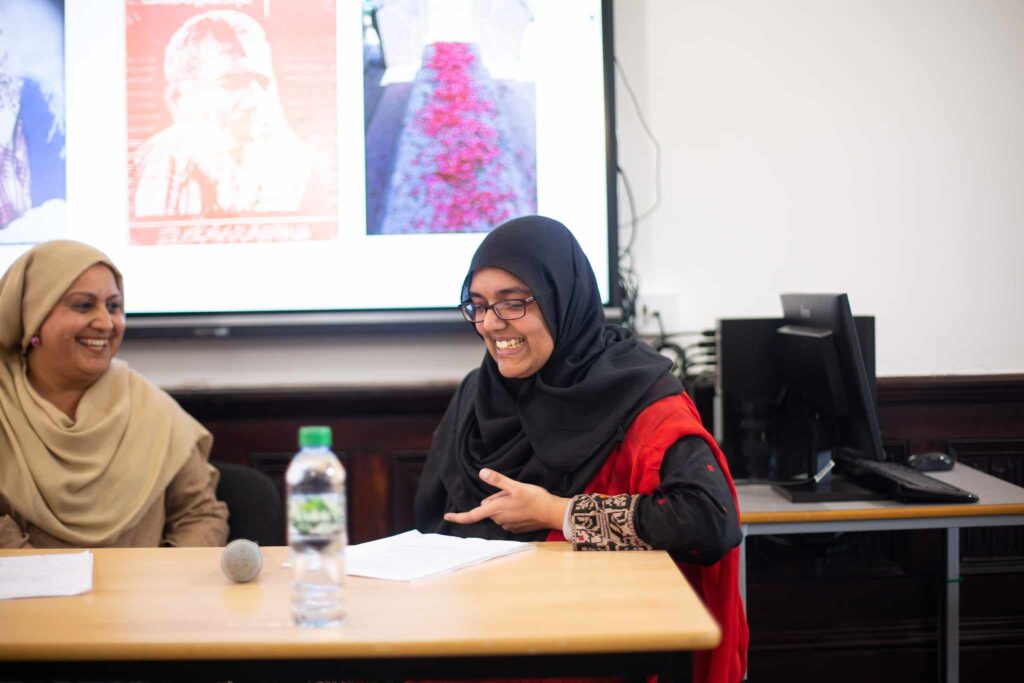
by Dr Mediah Ahmed In 2016, while writing a monologue for a project called ‘Come to Where I’m From’, I embarked on a journey that would forever change my understanding of my heritage. Through this project, I discovered profound parallels with my great grandfather, Molvi Abdul Majid Malang, whose life had been documented in a couple of biographies I had the fortune to come across. These books shed light on a remarkable man whose legacy I felt a deep connection to. This exploration of my family history was further enriched during the COVID-19 pandemic. Through the UKPHA book club and South Asian Heritage Month lectures, I delved deep into Punjabi Colonial History. This journey made me question why such significant aspects of our history were not part of our school curriculum. We learned about the Tudors, the Stuarts, and the World Wars, yet the contributions and stories of our ancestors, predating the mass migrations from the Indian subcontinent in the 60s and 70s, were glaringly absent. Documenting and preserving the stories of our elders and ancestors is vital. It ensures that younger generations have access to their own histories, enabling them to understand and appreciate their roots. I believe it is our responsibility to share stories about our heritage, ensuring that the legacy of our communities is not forgotten. As the African proverb wisely states, “Until the lion tells the story, the hunter will always be the hero.” This sentiment drives the mission of The Apna Heritage Archive website, which aims to change this narrative by sharing our stories. I would like to conclude with the beautiful words of Baba Bulleh Shah, which resonate deeply with this journey of self-discovery and historical exploration: پڑھ پڑھ علم ہزار کتاباںکدے اپنے آپ نوں پڑھیا نئیںجاں جاں وَڑدے مندر مسیتیکدے مَن اپنے وچ وَڑیا نئیں paṛh paṛh ilm hazār kitābañkadey apney āp nūñ paṛhya naiñjā jā vaṛdey mandir maseetikadey man apney vich vaṛya naiñ ‘You read and read a thousand booksbut never read your own self.You run to enter temples and mosquesbut you never entered your own heart.’ This profound message reminds us of the importance of looking within and understanding our own identities and histories. Through this journey, I have come to appreciate the rich tapestry of my ancestry and the stories that shape who I am today.

My Journey to Understanding My Roots Read More »

My Parnanu Jan Ji – Molvi Abdul Majid Malang of Jhelum

by Dr Mediah Ahmed I want to share a little anecdote to illustrate the fearless and candid nature of my great grandfather, Molvi Abdul Majid Malang. I call it ‘Amreeki tey Britaniya al-Fatiha’. This story not only highlights his bravery but also shows how his words from decades ago still resonate today. The late Professor Altaf Nizami of Jhelum city documented an interesting episode in his book ‘Mahshar-e-Khayal’. In 1965, during a Saif al-Mulūk gathering at the mosque in front of Baba Karam Shah Darbar in Jhelum, my great grandfather made a remarkable statement. As the event commenced, Molvi Abdul Majid Malang addressed the attendees with a bold and satirical prayer. He began by saying: “اَلحمدُلِلّٰہ، تمام تعریفیں امریکہ بہادر کے لئے جو ہمیں کھانے کو گندم دیتا ہے۔ اور ہم اُسی سے مدد مانگتے ہیں اور اُسی کی عبادت کرتے ہیں۔ ہمیں سِیدھی راہ دِکھا جو برطانیہ سے ہو کر سِیدھی امریکہ جاتی ہے، اور ہمیں اُن لوگوں کی راہ سے بچا جو امریکہ کی مُخالفت کرتے ہیں اور وہ راہ دِکھا جو اُن لوگوں کی راہ ہے جنہوں نے برطانیہ کی اطاعت اور فرمانبرداری کی اور بہت بڑی بڑی جاگیریں، کوٹھیاں اور القابات پائے اور اب تک اُن سے لُطف اندوز ہو رہے ہیں!” “Alhamdulillah, all praises be to brave America who gives us wheat to eat. And to Him we ask for help and to Him we worship. Show us the straight path that goes straight through Britain to America, and let us know of those people. Avoid the path of those who oppose America and show the path which is the path of those who obeyed and are still obedient to Britain and have huge estates, palaces, and titles which they are still enjoying.” His words, laced with sarcasm, were a daring commentary on the socio-political dynamics of that time. He openly criticised the blind obedience to foreign powers, namely Britain and America, and the way local elites benefitted from these alliances while the common people remained subservient. It’s astonishing how these remarks from over half a century ago still hold relevance today. The dynamics of global power, the influence of foreign nations, and the local elite’s complicity in maintaining the status quo continue to shape our world. My great grandfather’s fearless nature allowed him to voice these truths in a manner that was both courageous and thought-provoking. My parnanu jan ji Molvi Abdul Majid Malang’s legacy is a testament to the importance of speaking truth to power and questioning the established norms, no matter how entrenched they may seem. His life and words inspire us to critically evaluate our current socio-political landscape and strive for a more just and equitable society. In remembering him, we are reminded of the enduring power of courage, satire, and the relentless pursuit of truth.

My Parnanu Jan Ji – Molvi Abdul Majid Malang of Jhelum Read More »